
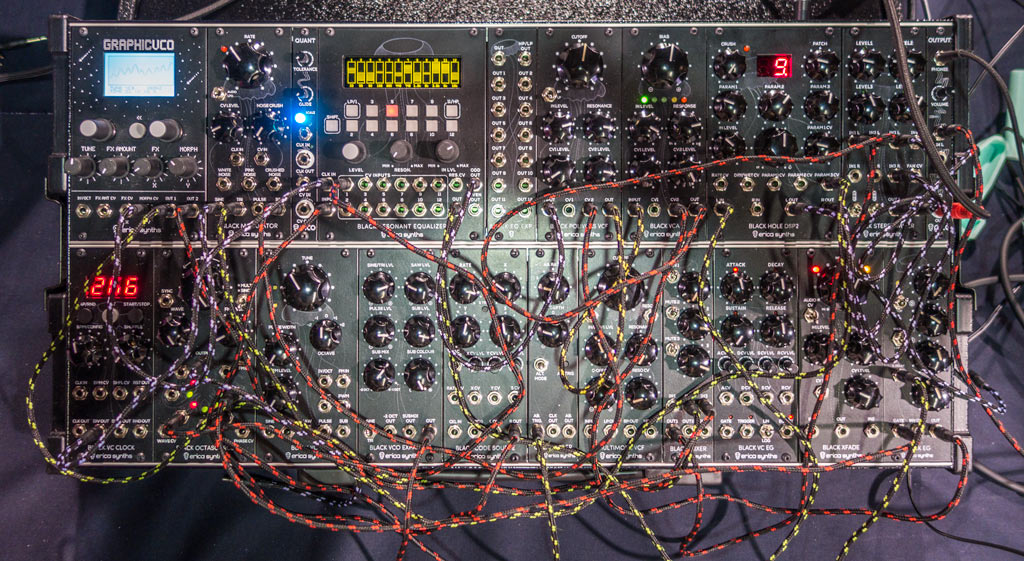
The “Learning Modular Synthesis” Training Rack
The thought process that went into building a compact yet comprehensive starting modular synth system for my Learn Modular Synthesis course that covered a wide range of both East and West Coast techniques.

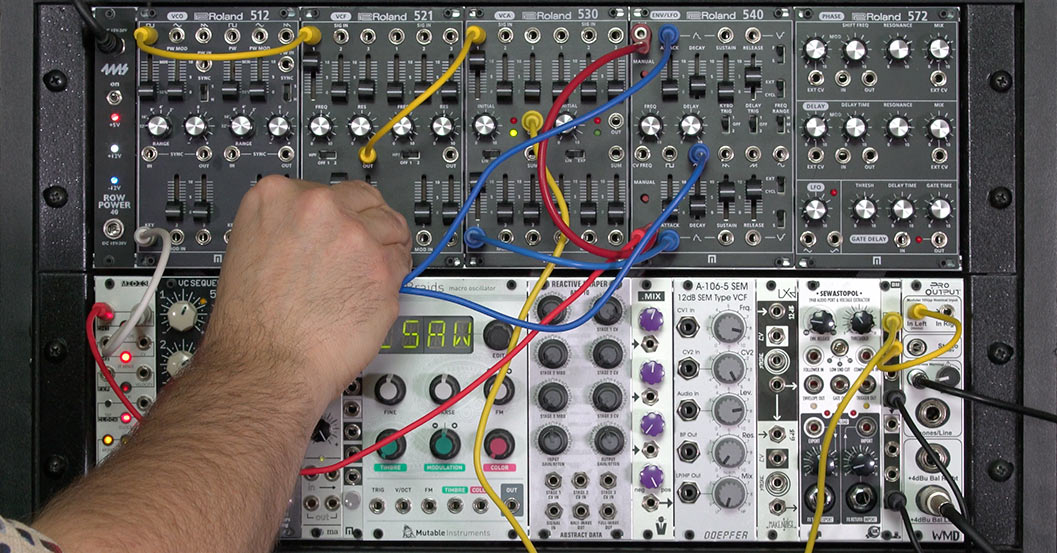
Matching Octaves in Your Modular
Different oscillators and MIDI to CV converters may have varying ideas of what voltage a given note produces, and what pitch should you hear as a result. If there is a difference, in most cases it can be dialed out with a pitch knob or transpose switch. However, there are occasions when you need the assistance of an additional module to settle these disagreements.
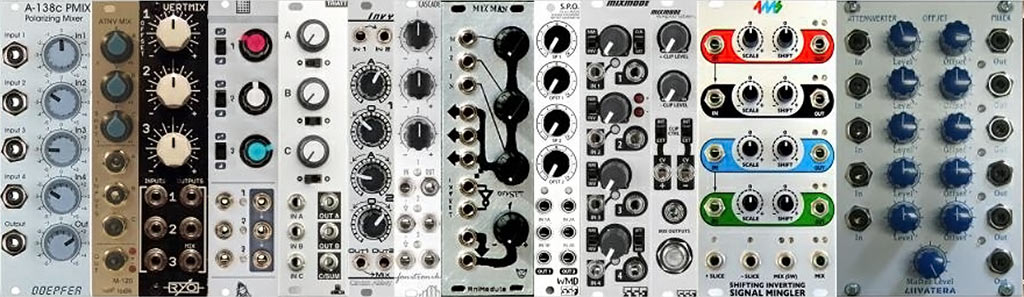
Choosing Utility Mixers for Your Modular
When you’re configuring your modular synthesizer, it’s easy to leave out the all-important utility modules that will help glue together a patch as well as open up creative options. In this note, we’re going to talk about what I call “utility mixers” – not the final mixer with optional effects sends and the such, but tools to combine signals in the middle of a patch.
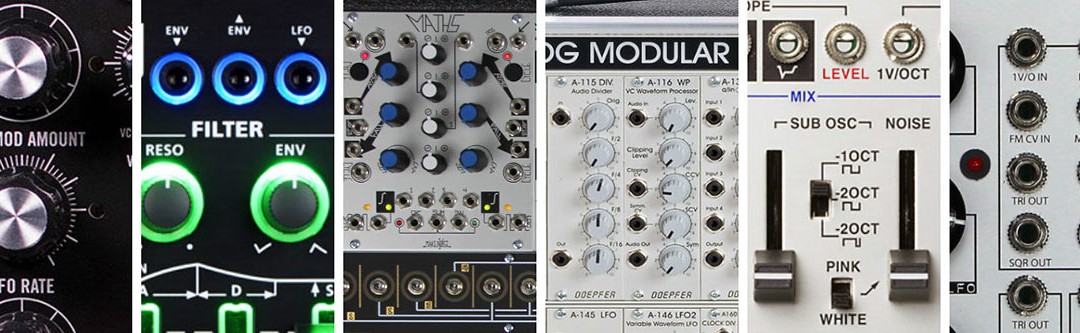
Should you go Semi-Modular or Full?
One of the primary reasons to make the move from pre-configured synthesizers to patchable modular synthesis is the ability to create your own instrument – be it to pick and choose your favorite flavors of synth building blocks, to expand it in ways you prefer, or to explore new signal paths and configurations. A common question is: Where do you start? Keeping in mind there’s no single right answer (and very few wrong ones), here are a few different approaches and their potential trade-offs.