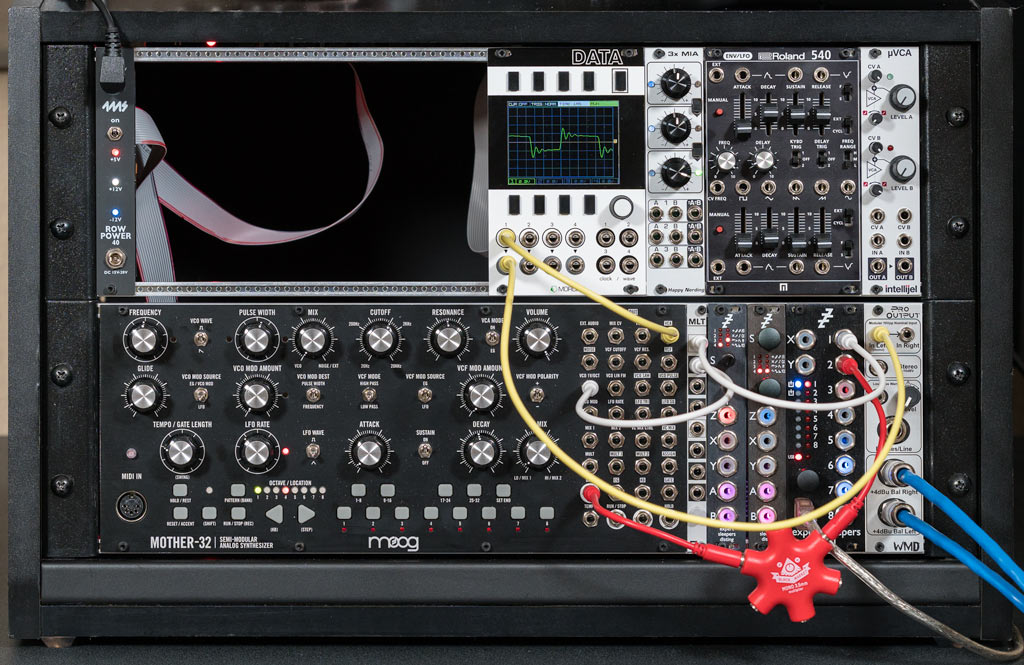
The next big “Learning Modular Synthesis” project is Eurorack Expansion. The idea behind it is that you already have a semi-modular synth or a small modular system, and now you’re wondering what to add next. As the saying goes, you need to walk before you can run. I’ve built up a core set of deceptively boring yet essential modules that will make it easier to interface your core system with the fun new modules you’re dying to try out.
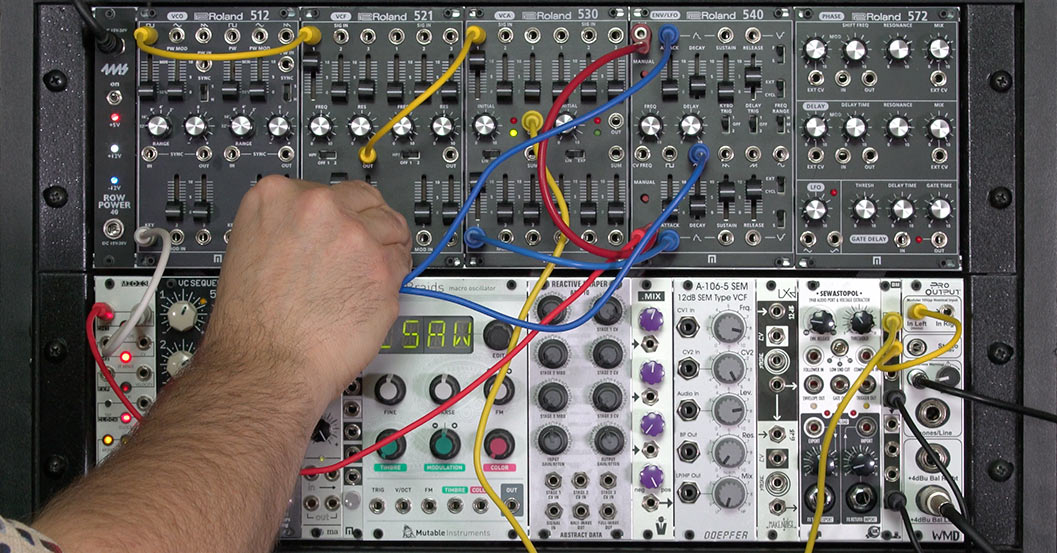
The thought process that went into building a compact yet comprehensive starting modular synth system for my Learn Modular Synthesis course that covered a wide range of both East and West Coast techniques.
Different oscillators and MIDI to CV converters may have varying ideas of what voltage a given note produces, and what pitch should you hear as a result. If there is a difference, in most cases it can be dialed out with a pitch knob or transpose switch. However, there are occasions when you need the assistance of an additional module to settle these disagreements.
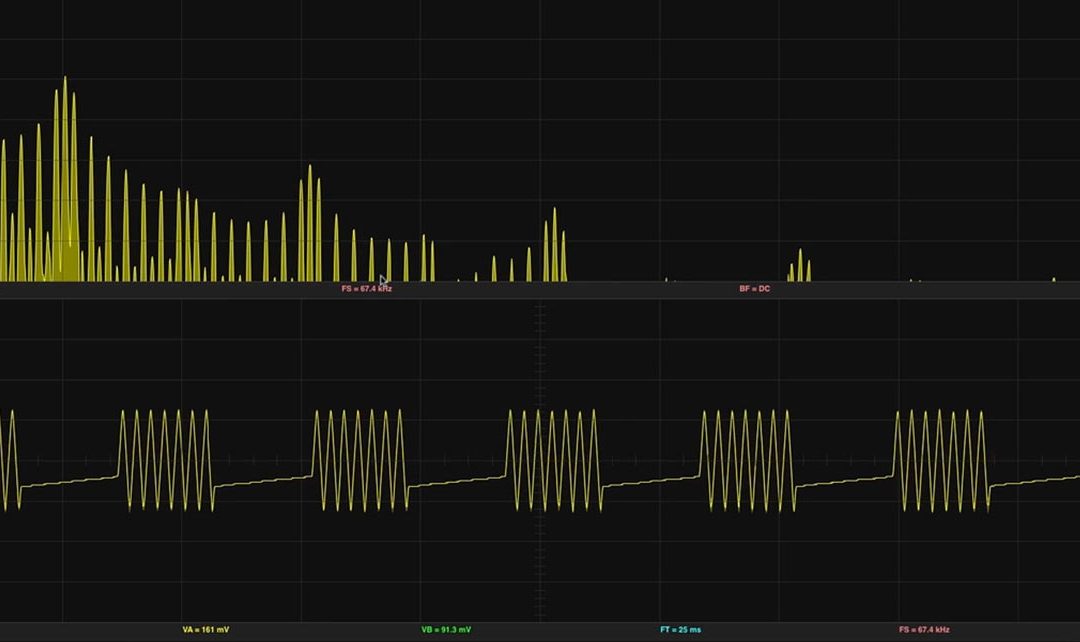
One way to create more complex waveforms (and therefore, harmonics) than traditionally supplied by oscillators is to use one oscillator to modulate the frequency of another. In this article I’ll describe how to set up an “FM” (frequency modulation) patch, and include a movie from my Learn Modular Synthesis course that demonstrates the “exponential” flavor of FM.
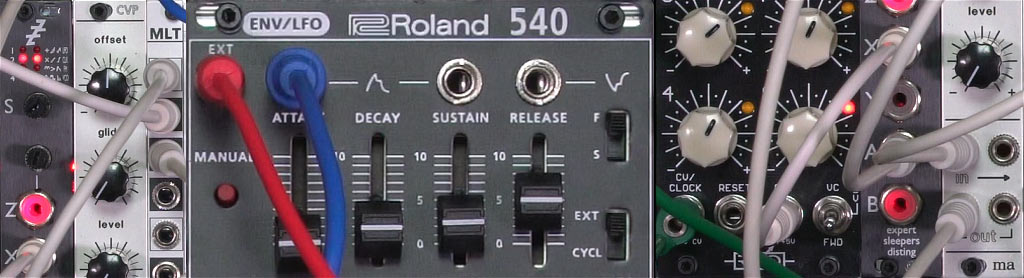
When you’re new to modular synthesizers, it’s all too easy to fall into the rut of just recreating the patches hardwired into your existing synths. But don’t forget that one of the main reasons to go modular in the first place is to get out of those ruts and explore...